
Exciting news is coming soon! Sign up to learn more.
Welcome to 522 Hill Street SE
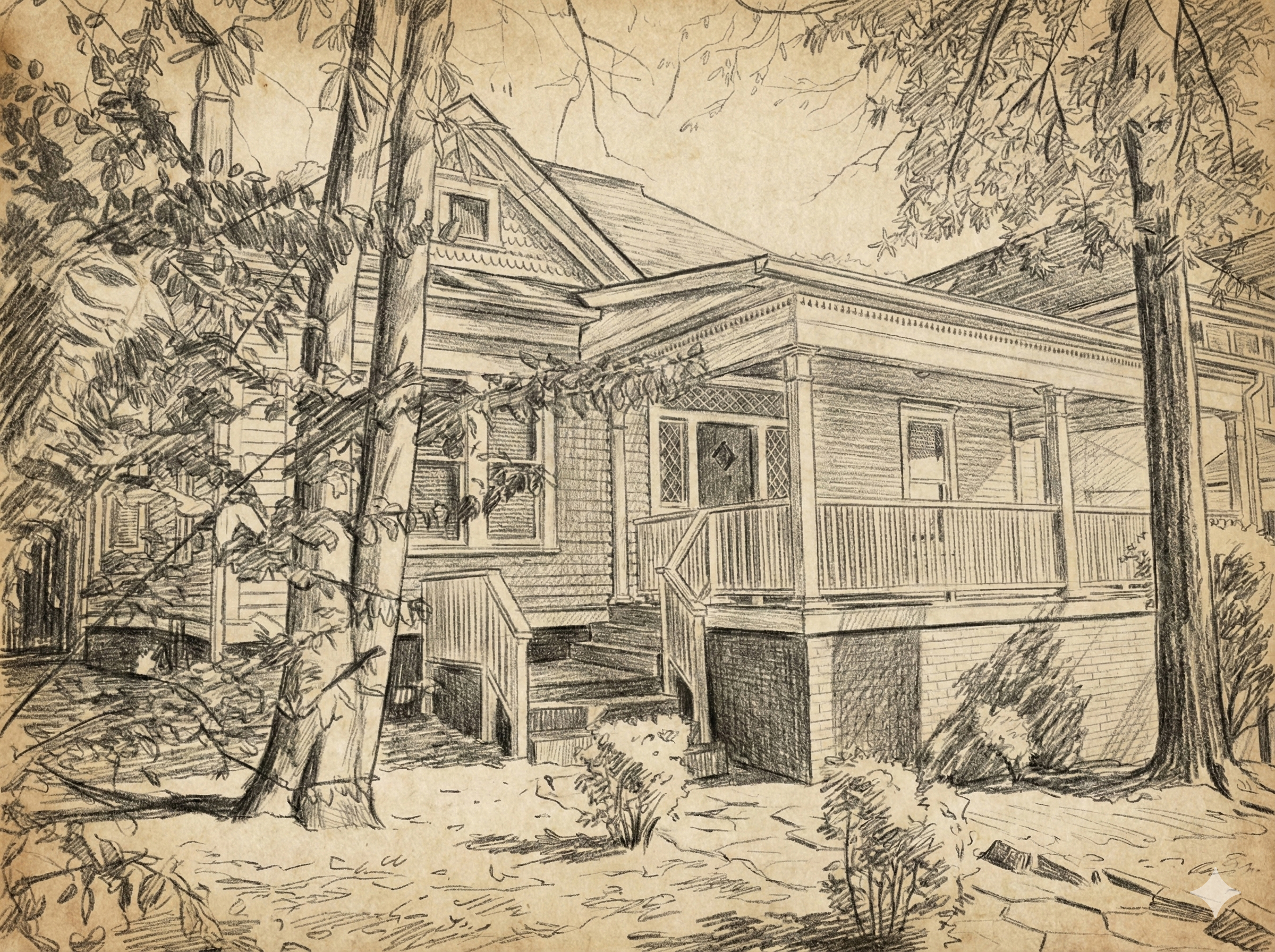
In the heart of the Grant Park Historic District, 522 Hill Street represents more than a century of Atlanta’s architectural character and neighborhood evolution. Built around 1920, this Craftsman-style bungalow sits on a classic elevated Grant Park lot, complete with a deep front porch, mature tree canopy, and views over one of Atlanta’s oldest and most storied residential streets.
From its earliest years, the home reflected the growth of Atlanta’s first streetcar suburbs, walkable, front-porch neighborhoods growing outward from the city’s original public park.
Today, thanks to a thoughtful and impeccable renovation, this home is a beautiful example of the early-20th-century design that defines Grant Park: inviting, community-oriented, and rich with original charm.
A Cultural Connection: Anne Romaine & 522 Hill Street
522 Hill Street holds a unique place in Atlanta’s cultural history thanks to its connection with Anne Romaine (1942–1995)—a nationally respected folk singer, civil rights activist, historian, and co-founder of the Southern Folk Cultural Revival Project.
Romaine spent her life using music and storytelling to bridge racial and cultural divides throughout the South. Her organizing brought Black and white musicians together on the same stages—something groundbreaking in the 1960s and 70s—and her collaborations with leaders such as Bernice Johnson Reagon (founder of Sweet Honey in the Rock) left a lasting legacy on American folk culture.
In the mid-1990s, shortly after her passing, the Anne Romaine Memorial Fund and the Fund for Southern Communities used 522 Hill Street SE as their community base. Through this connection, the home became aligned with a significant chapter of Southern social-justice organizing and artistic activism.
522 Hill Street Architectural Notes
As you walk through the home on today’s tour, take note of the timeless elements characteristic of early Grant Park:
- Large front porch
- Original wood pocket doors
- High ceilings and airy rooms typical of 1920s Craftsman design
- Original trim work and classic proportions
- Elevated lot with stairs leading up from the sidewalk, a signature Grant Park feature
- Wood details and natural light intended to foster relaxed, family-centered living
These features reflect the transition between Victorian ornamentation and the simpler, nature-inspired Craftsman era.
A Brief History of Grant Park
Grant Park traces its roots back to 1883, when engineer and philanthropist Lemuel P. Grant donated over 100 acres to the city to create Atlanta’s first major public park. As electric streetcars expanded southward, the surrounding neighborhood quickly filled with Queen Anne homes, Victorian cottages, and early Craftsman bungalows like this one.
From 1920 to 1995, Grant Park followed a classic intown Atlanta story: early prosperity, mid-century decline, and a passionate revival. In the 1920s and ’30s, streets like Hill were home to middle-class families who rode the streetcar downtown and spent Sundays in the park and at the zoo.
After World War II, as new suburbs and highways pulled people outward, larger homes were often divided and maintenance slipped, but the neighborhood’s bones, its porches, trees, and brick sidewalks, remained.
By the late 1970s and ’80s, preservation-minded buyers, artists, young professionals, and community organizers began rediscovering Grant Park, restoring older houses and strengthening neighborhood groups.
Thank You for Touring 522 Hill Street SE

1799 Briarcliff Road, Suite Q2
Atlanta, GA 30306
404-874-9094

Terms Of Use | Privacy Policy | Accessibility Statement | Fair Housing Notice
Each ERA® office is independently owned & operated.
© 2022 MoxiWorks
